Exploring Honeybee: A Versatile Font for Creative Branding
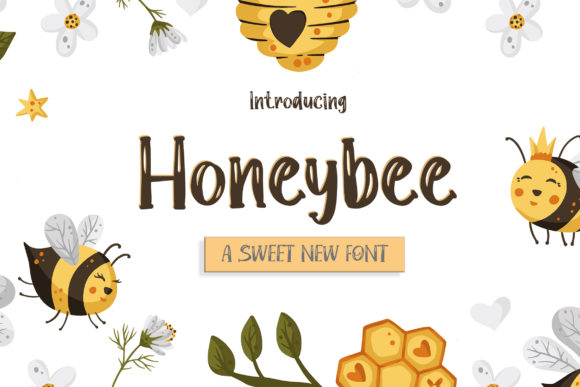
As I sat down to brainstorm the visual identity for a new local café, I knew I needed a font that would capture the cozy, inviting atmosphere of the space. Enter Honeybee, a fun and playful display font with a charming handwritten feel and shaded elements. This typeface is not just visually appealing; it’s also PUA encoded, making it easy to access all the available glyphs and swashes.
First Impressions: Sketching the Logo
The first step in any branding project is to sketch out some logo ideas. I opened my design software and started experimenting with Honeybee. The handwritten style immediately gave the café a friendly, approachable vibe. I played around with different ligatures and alternates, finding that the font's versatility allowed me to create a unique and memorable logo.
Branding Elements: From Business Cards to Menus
Once the logo was finalized, I moved on to other branding elements. For the business cards, I used Honeybee as the primary font for the café’s name, paired with a clean sans serif for the contact information. The contrast between the two fonts created a perfect balance of personality and professionalism. The same approach worked well for the menus, where Honeybee added a touch of whimsy to the headings, while the body text remained clear and readable with a classic serif font.
Packaging Design: A Sweet Touch for Takeaways
For the café’s takeaway packaging, I wanted to maintain the same welcoming feel. I used Honeybee for the café’s name and tagline on the coffee cups and pastry boxes. The shaded elements of the font added a subtle depth, making the packaging stand out without overwhelming the overall design. The result was a cohesive and eye-catching look that perfectly matched the café’s brand.
Social Media Graphics: Engaging and Shareable
In today’s digital age, social media presence is crucial. I designed a series of Instagram posts and stories using Honeybee for the main text. The font’s playful and handwritten style made the graphics more engaging and shareable. Whether it was a special promotion or a simple “Good Morning” post, Honeybee added a personal touch that resonated with the café’s followers.
Website Headers: Welcoming Visitors Online
Next, I tackled the café’s website. The homepage header needed to be both welcoming and professional. I used Honeybee for the main heading, “Welcome to [Café Name],” and paired it with a modern sans serif for the subheading. The combination was visually striking and set the right tone for the rest of the site. The font’s readability at larger sizes made it an excellent choice for the hero section, drawing visitors in with its charm.
Practical Tips for Using Honeybee
- Test on Different Backgrounds: Before finalizing any design, test Honeybee on various backgrounds to ensure it remains legible and visually appealing.
- Font Pairing: Pair Honeybee with a clean sans serif or a classic serif for a balanced and professional look. Avoid pairing it with another script or handwritten font, as this can create visual clutter.
- Check Glyphs and Swashes: Utilize the PUA encoding to explore all the available glyphs and swashes. These can add unique touches to your designs and make them stand out.
- Consistency is Key: Use Honeybee consistently across all branding materials to build recognition and a strong brand identity.
Final Thoughts on Honeybee
Honeybee is a delightful and versatile display font that brings a handwritten, personal touch to any design project. Its shaded elements and accessible glyphs make it a valuable asset for creating engaging and memorable brand identities. Whether you’re designing for a café, boutique, or any other creative venture, Honeybee is a premium font that can help you achieve a unique and inviting look. Give it a try and see how it can elevate your next branding project.